How Hot Air Balloon Weekends Are Quietly Reviving Small-Town America
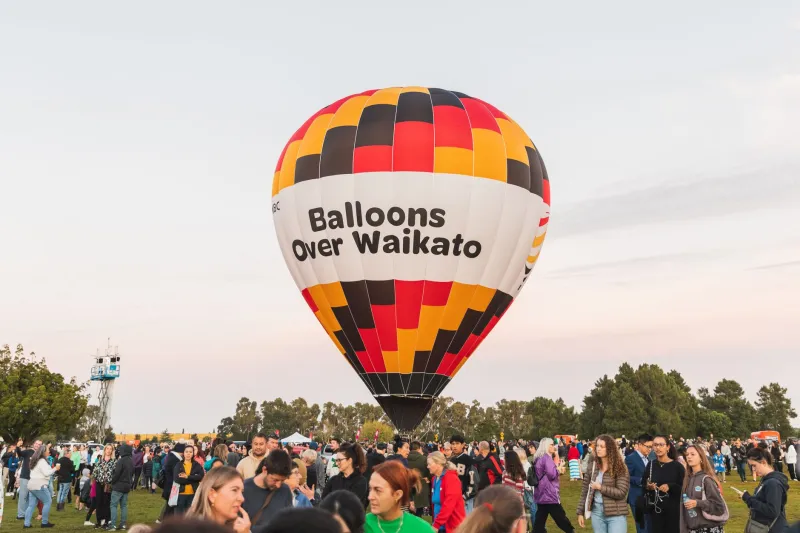
Picture a quiet Friday afternoon in a rural county seat somewhere in the American heartland. The gas station is steady, the diner has a few regulars, and the motel out on the highway has maybe a third of its rooms filled. Then Saturday morning rolls around, and suddenly every parking lot is packed, the line at the pancake house stretches out the door, and the local hardware store is selling out of lawn chairs.
That's the balloon festival effect—and it's very real.
Across the country, hot air balloon festivals have quietly become one of the most reliable economic engines small towns can plug into. They don't require a casino, a stadium, or a celebrity headliner. What they require is a decent field, some community hustle, and a willingness to look up.
The Numbers Don't Lie
When tourism economists talk about "event multipliers," they mean the ripple effect a single event has on spending throughout a local economy. Balloon festivals score remarkably high on that scale.
A mid-sized festival drawing 20,000 attendees over a weekend can generate anywhere from $1.5 million to $4 million in direct local spending, depending on the region. That includes hotel rooms, restaurant tabs, fuel stops, vendor purchases, and the inevitable souvenir run. Festival-goers tend to travel from outside the immediate area—often 100 miles or more—which means they're bringing outside dollars into the community rather than just recirculating local money.
For context, that's the kind of economic punch that a lot of small towns would have previously needed a county fair or a major sporting event to generate. Balloon festivals are pulling those numbers with a fraction of the infrastructure headache.
Local Businesses Feel It First
Talk to any restaurant owner within five miles of a balloon festival launch site and you'll hear the same thing: "We staff up, we prep double the inventory, and we still sometimes run out."
It's not just the obvious players like hotels and restaurants either. Grocery stores, convenience shops, auto parts stores, and even laundromats see spikes during festival weekends. Families driving in from out of town stop to pick up supplies. Vendors need last-minute gear. Balloon crews need to eat.
Bed and breakfasts in particular tend to benefit disproportionately. Boutique lodging options that might struggle to maintain consistent occupancy throughout the shoulder season often find that a single well-promoted balloon festival weekend fills their calendar and introduces them to guests who come back year after year—not for the festival, but because they fell in love with the town.
Why Towns Are Competing to Host
Here's something that might surprise you: getting a balloon festival isn't just a matter of calling up a bunch of pilots and sending out a press release. Festival organizers are increasingly selective about host communities, and towns are actively competing for the opportunity.
What do organizers look for? Open launch fields with safe surrounding airspace, community buy-in from local government and businesses, a lodging base sufficient to support out-of-town visitors, and ideally a town with some existing charm—a walkable downtown, a scenic backdrop, something that gives attendees a reason to stick around beyond the balloons themselves.
Tourism boards in states like Missouri, Colorado, New Mexico, and Tennessee have started actively recruiting balloon festival organizers the same way they'd recruit a corporate conference or a sporting event. The pitch is straightforward: we have the space, we have the hospitality infrastructure, and we'll promote this thing hard.
Some towns have gone further, using the festival as an anchor to develop surrounding tourism assets. A balloon weekend becomes the reason to finally open that trail system, renovate the historic downtown district, or launch a local artisan market. The festival is the hook; the town becomes the destination.
The Community Revitalization Angle
Beyond the immediate dollar figures, there's a softer but equally important impact worth talking about: what a successful balloon festival does for community identity and pride.
Rural communities have faced decades of population decline, business closures, and the creeping sense that the economic momentum has moved elsewhere. A festival that draws thousands of visitors—people who are genuinely excited to be there, who are posting photos and tagging the town name in social media captions—sends a different message. It says this place matters. It says people want to come here.
Local volunteers who help staff festivals frequently cite the experience as one of the most energizing things they've done for their community. There's something about watching a sky full of balloons rise over your hometown, surrounded by thousands of smiling strangers, that resets a town's sense of what's possible.
For younger residents especially, it can shift the narrative. Instead of a place you leave, it becomes a place with something happening—a place worth sticking around for.
Not Without Challenges
It would be dishonest to paint this picture without acknowledging the friction. Hosting a balloon festival isn't free, and the costs aren't always obvious upfront.
Land use agreements, liability insurance, FAA coordination, portable restroom rentals, traffic management, and emergency services all carry price tags. First-year festivals in particular often operate on thin margins while they build their audience. Communities that go in expecting a windfall in year one sometimes come away disappointed.
The festivals that thrive tend to be the ones where local government, the business community, and the organizing team are aligned from the start—where everyone understands that the first couple of years are about building something sustainable, not cashing out immediately.
Long-term relationships between festivals and host communities also matter. When a festival plants roots in a town and comes back year after year, the economic benefit compounds. Attendees start treating it as an annual tradition. Media coverage builds. Sponsorships grow. The festival becomes part of the town's identity in a way that a one-off event never can.
The Sky as a Development Strategy
It sounds almost too simple, doesn't it? Invite some balloons, open the gates, and watch the economy hum. But there's real strategic thinking happening behind the scenes in towns that are doing this well.
They're tracking visitor spending, surveying attendees about where they came from and what they spent money on, and using that data to make the case to local governments for continued investment. They're working with regional tourism boards to package the festival alongside other area attractions. They're building mailing lists and social followings that let them market directly to past attendees for the following year.
In short, they're treating the balloon festival not as a novelty, but as infrastructure—a recurring, scalable event that anchors the local tourism calendar and gives the regional economy a reliable lift.
For a lot of small towns across America, that lift is exactly what they've been waiting for. And it turns out, all it took was looking up.