Ditch the Theme Parks: Why Regional Balloon Festivals Are the Summer Upgrade Your Family Didn't Know It Needed
The Best Thing You've Never Booked
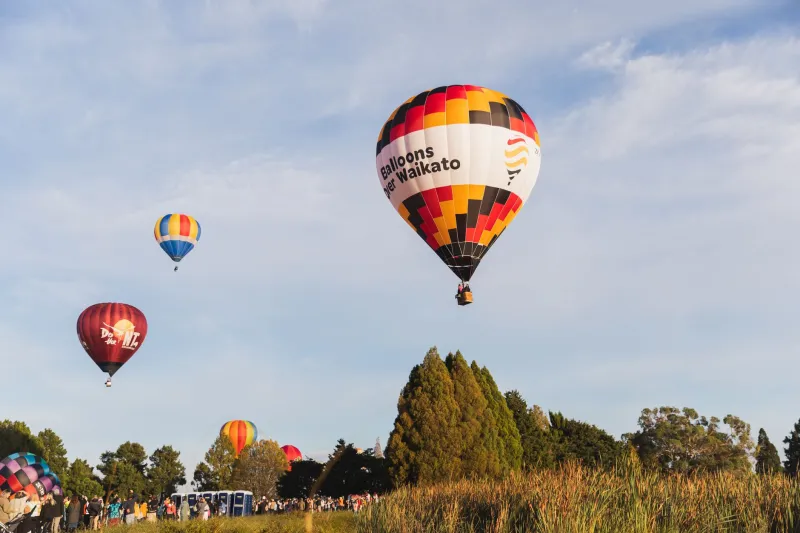
Every summer, millions of American families pile into minivans and make the pilgrimage to the same major theme parks, the same beach resorts, the same crowded boardwalks. And look — there's nothing wrong with any of that. But somewhere along the way, a quieter kind of magic has been building in places like Albuquerque, New Mexico, Prosser, Washington, and Indianola, Iowa. Fields of color. Baskets lifting off at dawn. The smell of propane mixing with morning air. Hot air balloon festivals have been gathering steam for decades, and they've somehow managed to stay delightfully under the radar.
That's exactly what makes them worth talking about.
A Growing Movement Hiding in Plain Sight
The United States is home to well over 200 organized balloon festivals each year, scattered across nearly every region of the country. From the Texas Hill Country to the rolling farmland of Vermont, these events draw tens of thousands of attendees annually — yet they rarely make national headlines the way a new roller coaster or a stadium concert might.
The Albuquerque International Balloon Fiesta, held every October in New Mexico, is the largest balloon festival in the world. It draws around 900 balloons and nearly 900,000 visitors across nine days. Nine days. That's not a niche hobby — that's a cultural institution. And yet, ask a random group of people outside the Southwest whether they've ever been, and most will look at you like you've just suggested visiting the moon.
Smaller regional festivals have been growing quietly too, often doubling their attendance year over year as word spreads through social media and travel blogs. Events like the Great Balloon Race in Cincinnati or the Temecula Valley Balloon & Wine Festival in Southern California have built loyal followings without spending a fraction of what theme parks drop on advertising. The growth is organic, community-driven, and honestly kind of beautiful.
What Makes the Experience So Different
Here's the thing about a hot air balloon festival: the spectacle is completely free to watch in a way that nothing at a theme park ever is. Even if you never set foot inside the ticketed grounds, you can often pull over on a nearby road and watch dozens of balloons drift silently overhead. That accessibility is part of the culture. Festival organizers generally want people to fall in love with ballooning, full stop.
But when you do buy a ticket and step inside the festival grounds, the experience shifts into something genuinely hard to describe. The sheer scale of an envelope inflation — watching thousands of cubic feet of fabric rise slowly from the ground, backlit by propane burners — is one of those moments that hits differently in person than it ever does in photos. Kids go completely silent. Adults pull out their phones and immediately realize no camera is going to capture what they're actually feeling.
And then there's the community piece. Balloon festivals tend to feel like county fairs that someone upgraded significantly. Local food vendors, live music, artisan craft stalls, and family-friendly activities fill the grounds between launches. Pilots are usually walking around and happy to talk, which is not something you get at Six Flags. The atmosphere is relaxed, unhurried, and genuinely welcoming in a way that big-ticket entertainment rarely manages.
The Value Equation Is Hard to Argue With
Let's talk money for a second, because it matters. A family of four visiting a major theme park in 2024 is looking at easily $500 to $700 just for admission — before food, parking, merchandise, or the inevitable meltdown that requires an emergency ice cream purchase. Annual pass fatigue is real, and a lot of families are starting to question whether the experience justifies the cost.
Balloon festival tickets, by contrast, often run between $15 and $30 per adult, with children frequently admitted free or at a steep discount. Tethered balloon rides — where you go up and come back down at the festival site — typically run $20 to $50 per person. Full flight experiences vary widely, but even those are often more affordable than a single day at a major amusement park when you factor in what you're actually getting: a legitimate adventure, not a queue simulator.
The photography value alone is almost absurd. Balloon festivals are basically purpose-built for stunning visuals. Golden hour launches, balloon glows (where tethered balloons illuminate the night sky with synchronized burner blasts), and the sheer variety of colors and shapes make for images that genuinely stop people mid-scroll on Instagram. It's the kind of content that gets shared, saved, and — let's be honest — makes your friends a little jealous.
Finding Your Festival
One of the best parts about the balloon festival scene is that regional variety means there's almost certainly an event within reasonable driving distance of wherever you are. The Southeast has the Callaway Gardens Sky High Balloon Festival in Georgia. The Midwest offers events in Ohio, Illinois, and Minnesota. The Pacific Northwest hosts stunning festivals against backdrops of mountains and vineyards. New England has its share of charming fall gatherings that pair perfectly with foliage season.
At Sky Rise Festivals, we track events across the country so you can find the ones that fit your travel style, your calendar, and your budget. Whether you're planning a weekend road trip or building an entire vacation around a festival experience, the options are wider than most people realize.
The Secret Won't Keep Forever
Hot air balloon festivals have thrived partly because they haven't been oversaturated. They still feel like discoveries. You still feel like you found something. But as more families share their experiences online and more regional tourism boards wake up to the draw these events create, the days of balloon festivals being a genuine secret are probably numbered.
So here's our honest suggestion: get there before everyone else does. Book the tickets, pack the lawn chairs, and set your alarm for the early morning mass ascension. You'll understand pretty quickly why the people who go once tend to keep going back.