Road Trip Ready: Your No-Nonsense Playbook for a Legendary Balloon Festival Weekend
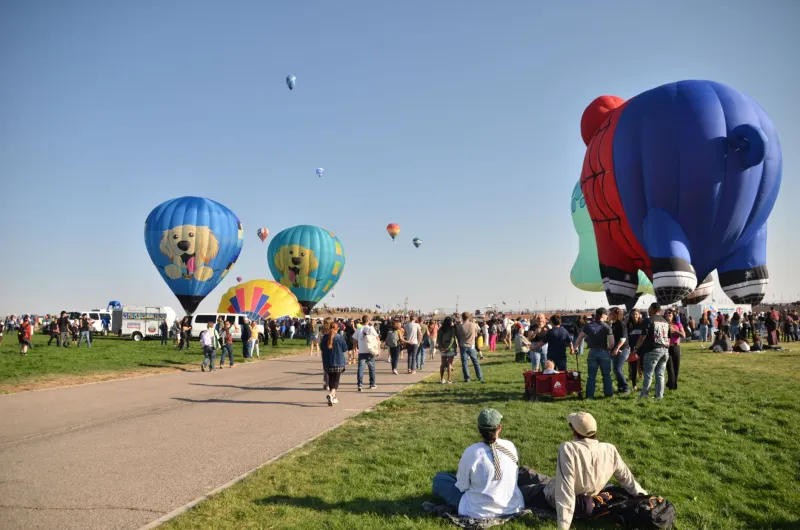
Before You Go: A Little Planning Goes a Long Way
Hot air balloon festivals have this wonderful quality of feeling spontaneous even when you've planned them carefully. There's something inherently adventurous about waking before sunrise, driving out to a launch field, and watching the sky fill with color. But like any outdoor event worth attending, the experience rewards preparation. The people who have the best time at balloon festivals are almost always the ones who did a few things right before they ever left home.
Here's what we've learned from talking to seasoned festival-goers, pilots, and event organizers across the country.
Tip 1: Time Your Arrival Around the Launches, Not the Gates
This is the single most important thing you can do to maximize your experience, and it's the piece of advice that casual first-timers most often miss. Balloon festivals don't operate on a nine-to-five schedule. The most spectacular events — mass ascensions, where dozens or hundreds of balloons launch simultaneously — happen at dawn and, at many festivals, again in the early evening.
Mass ascensions are timed around calm wind conditions, which are most reliable in the hour or two after sunrise and the hour or two before sunset. If you show up at 10 AM expecting to see a sky full of balloons, you'll likely find a field of deflated fabric and a lot of vendors setting up for lunch.
What to do: Check the specific festival schedule on their official site or through the Sky Rise Festivals event listing before you go. Set your alarm for at least 90 minutes before the listed launch time — you want to be on the grounds, coffee in hand, when the first envelopes start to inflate. That inflation process is a show in itself.
For evening events, arrive early enough to claim a good viewing spot before the balloon glow begins. Balloon glows — where tethered balloons light up the night sky with synchronized burner blasts — are genuinely magical and tend to draw the biggest crowds of the day.
Tip 2: Pack Like You're Going Camping, Not to a Concert
Balloon festivals happen outdoors, often in open fields, and the conditions can swing dramatically over the course of a single day. Morning launches can be genuinely cold, even in summer. Afternoons can get hot fast. And because festivals frequently take place in grassy or unpaved areas, your footwear choices matter more than you'd think.
The essential packing list:
- Layers. A light jacket or hoodie for early morning, easy to tie around your waist once things warm up.
- Comfortable, closed-toe shoes. Sandals are a bad idea on dewy grass at 5:30 AM. Sneakers or light hiking shoes are ideal.
- A blanket or portable camp chair. Many festivals don't provide seating, and you'll want somewhere to sit during the long, lovely stretches between activities.
- Sunscreen and a hat. Once the sun is up and you're standing in an open field, there's nowhere to hide.
- A refillable water bottle. Vendor lines can get long, and staying hydrated makes everything better.
- Cash. Many smaller vendors and artisan stalls at regional festivals don't accept cards, and ATM lines can be brutal.
Bonus tip: bring a small backpack rather than a large bag. You'll be walking a lot, and something light and hands-free makes the whole day easier.
Tip 3: Treat Your Camera Setup as Seriously as Your Tickets
Hot air balloon festivals might be the most photogenic outdoor events in America, and the difference between a good photo and a truly stunning one often comes down to a few simple decisions made before you arrive.
Shoot during the golden hours. The warm, directional light of sunrise and the hour before sunset does things to balloon colors that midday light simply cannot replicate. If you're choosing between sleeping in and catching the morning launch, choose the launch. Every time.
Get low. Most people photograph balloons from standing height. Crouch down, shoot from ground level, and you'll get the kind of dramatic, sky-filling compositions that look professional even on a phone camera.
Use portrait mode or a wide aperture lens for balloon glows. The contrast between the glowing envelopes and the dark sky is a low-light photography dream. Experiment with longer exposures if you're shooting on a DSLR or mirrorless camera.
Don't just shoot the sky. Some of the best festival photos are the human ones — a kid's face lit up by a burner glow, a pilot checking instruments, a family eating funnel cake on a blanket. Those are the images you'll actually want to print someday.
Tip 4: Look Into Tethered Rides and Flight Experiences Before You Arrive
One of the most common regrets we hear from first-time festival attendees is that they didn't realize they could actually go up in a balloon — or they showed up hoping to and found that spots were already sold out.
Many festivals offer two types of balloon experiences for visitors. Tethered rides keep the balloon anchored to the ground and take passengers up 50 to 100 feet before bringing them back down. These are typically available throughout the day, are relatively affordable, and are a fantastic option for kids or anyone who wants to experience the sensation of lift without committing to a full flight.
Full flight experiences are a different animal — typically a one- to two-hour adventure that covers several miles of terrain, ending wherever the wind takes you (with a chase crew waiting at the landing zone). These are often bookable through individual pilot operators rather than the festival itself, and they fill up fast, especially at popular events.
What to do: When you purchase your festival tickets through Sky Rise Festivals or the event's official site, look for add-on experience options. If full flights are available, book them as early as possible — weeks in advance for major festivals. Tethered rides are usually available day-of, but arriving early gives you first access.
Tip 5: Explore the Grounds Like a Local, Not a Tourist
The balloon launches are the headline act, but the best balloon festival experiences usually involve everything happening in between. Regional festivals are incredible showcases for local culture — food, music, art, and community — and the attendees who wander, explore, and talk to people tend to have the richest time.
Seek out the pilot areas. Most festivals have designated spaces where pilots and their crews prep their balloons. These zones are often open to the public, and the pilots — who are generally a gregarious, passionate bunch — love talking about their aircraft. You'll learn more in a ten-minute conversation with a balloon pilot than you would reading most articles about the sport.
Check the full event schedule for hidden gems. Many festivals include competitions (like target landing contests), kids' activities, and special themed launches that don't get as much promotion as the main ascensions. A quick scan of the full program before you arrive can turn up experiences you'd otherwise walk right past.
Eat local. Festival food has gotten genuinely good in recent years, and regional events often feature vendors you won't find anywhere else. Skip the chains and try whatever looks interesting from the local operators.
The Checklist You'll Actually Use
✅ Check launch times and plan your arrival accordingly ✅ Pack layers, comfortable shoes, sunscreen, cash, and a refillable water bottle ✅ Bring a blanket or portable chair ✅ Book tethered rides or full flight experiences in advance ✅ Charge your phone and clear your camera roll the night before ✅ Set your alarm for at least 90 minutes before the first launch ✅ Download the festival map or save it offline ✅ Tell someone where you're going (basic, but always worth doing)
Balloon festival weekends have a way of becoming annual traditions for the people who try them once. The combination of natural beauty, community energy, and genuine spectacle is hard to replicate. Use this guide, book your tickets, and go find out what the sky looks like from below a hundred colorful envelopes. We think you'll be glad you did.